This post contains affiliate links. As an Amazon Associate, bananfew earns from qualifying purchases. See the affiliate disclosure.
If you get to the end of the month and wonder where your money went, the problem usually isn’t how much you earn. It’s that part of your paycheck never got a plan, and a zero-based budget fixes that by giving every dollar a job before the month starts.
Key takeaways
- A zero-based budget means your income minus everything you plan to spend, save, and pay toward debt equals zero.
- Zero doesn’t mean your bank account is empty. It means every dollar has an assigned job, including savings.
- You make a new plan each month, so it adjusts to holidays, short paychecks, and irregular bills.
What a Zero-Based Budget Actually Is
Most budgets track what you spent after the fact. A zero-based budget works the other way. You decide ahead of time where all of next month’s money will go.
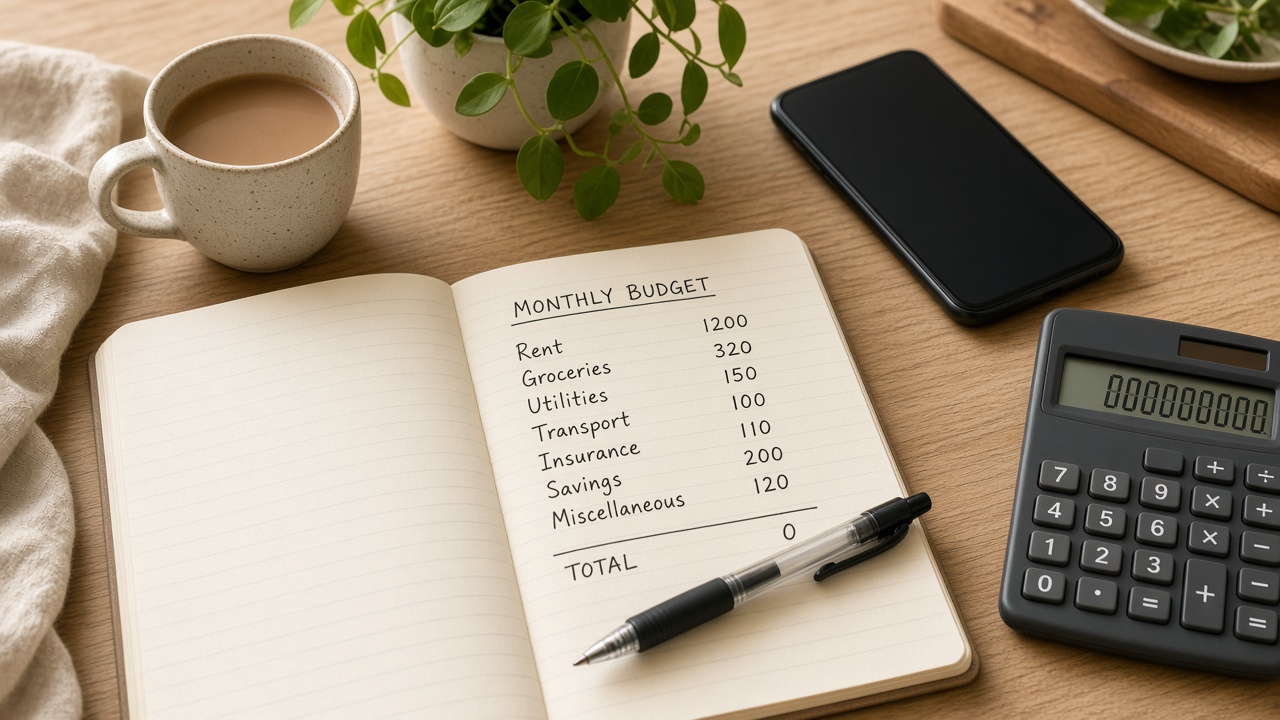
The math is simple: income minus planned spending, saving, and debt payments should come out to $0. If you have money left over, you give it a job too, like extra savings or an extra debt payment.
The budgeting app YNAB calls this “give every dollar a job,” and Dave Ramsey’s EveryDollar app is built around the same idea. You don’t need either one. A notebook or a free spreadsheet works fine.
How to Make a Zero-Based Budget in 5 Steps
Set aside about 30 minutes before the month starts. Have your last pay stub and last month’s bank statement nearby.
- Write down your take-home pay. Use what actually lands in your account after taxes, not your salary. If your pay changes month to month, use your lowest normal month.
- List your fixed bills. Rent, utilities, phone, insurance, and minimum debt payments. A simple bill calendar makes this step faster.
- Add your everyday spending. Groceries, gas, household stuff, and a little fun money. Look at last month’s statement so your numbers are real, not hopeful.
- Add savings and goals. An emergency fund, sinking funds for known costs like gifts or car repairs, and any extra debt payment.
- Adjust until you hit zero. Over zero? Assign the leftover. Under zero? Trim a flexible category until it balances.

A Simple Zero-Based Budget Example
Here’s what one month could look like on $2,800 of take-home pay. These are made-up example numbers, so swap in your own.
- Rent: $1,100
- Utilities: $150
- Phone: $50
- Car insurance: $120
- Minimum debt payments: $200
- Groceries: $400
- Gas: $150
- Fun money: $120
- Emergency fund: $150
- Sinking funds: $100
- Extra debt payment: $260
Total: $2,800. Left to assign: $0.
Notice that savings and the extra debt payment are part of the plan, not whatever happens to be left. That’s the whole point. If you’re paying off cards, the free Debt Destroyer Planner can help you decide where that extra payment goes.
How to Stick to It During the Month
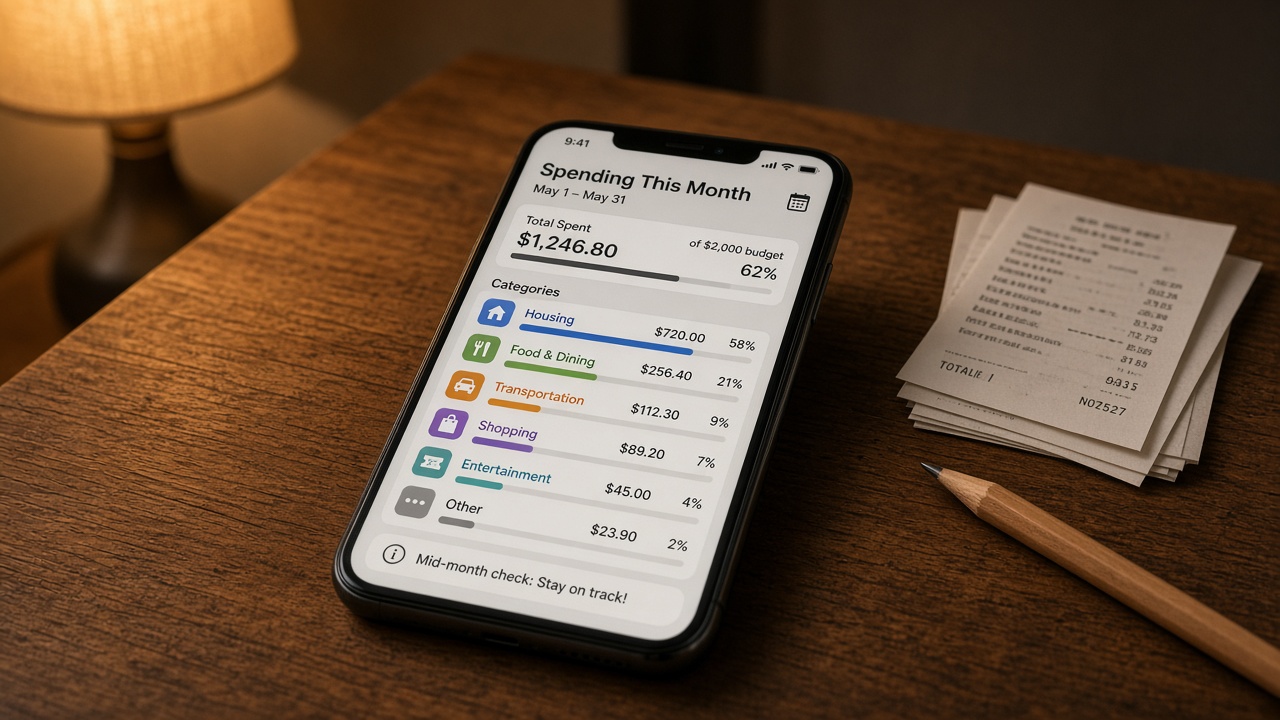
A plan only works if you check it. Once or twice a week, compare what you’ve spent to what you planned in each category. A 10-minute weekly money check-in is enough.
When you overspend in one category, don’t give up on the whole budget. Move money from another category so the total still equals zero. Went $30 over on groceries? Take $30 from fun money. That’s not failing. That’s the budget doing its job.
If cards make spending feel invisible, you can pair this with a simple cash envelope system for one or two categories, like groceries or eating out.
Common Mistakes (and Easy Fixes)
- Forgetting irregular bills. Car registration, annual subscriptions, and holiday gifts sneak up on you. Add a small monthly sinking fund for each.
- Leaving out fun money. A budget with zero room for fun tends to break by week two. Give yourself a small amount with no guilt attached.
- Budgeting money you don’t have yet. Plan only with income you’re sure of. If a side gig pays extra, assign it when it actually arrives.
- Copying last month without looking. November and December cost more than most months. Rebuild the plan each month, even if it’s mostly the same.
If you’d like a book that pairs a monthly zero-based budget with a step-by-step debt plan, Dave Ramsey’s The Total Money Makeover is a popular pick.
This post is for general education, not personal financial advice.
Your Start-Today Checklist
- Write down next month’s take-home pay.
- List every fixed bill and its amount.
- Estimate groceries, gas, and fun money from last month’s statement.
- Add at least one savings line, even if it’s $20.
- Adjust until income minus the plan equals zero.
- Put a weekly check-in on your calendar.
Make your first zero-based budget for next month tonight. It won’t be perfect, and that’s fine. The second month is always easier.
Leave a Reply